
Serving Ocean & Monmouth Counties Phone: 732-244-2880

Archive for the ‘ Local Area Info ’ Category


Winter before Modern Heating

Posted on: December 30th, 2025 by admin

And How it Affects Modern Ocean County Air Conditioner Repair

It is hard to imagine a New Jersey winter without the steady hum of a furnace or the quiet comfort of a thermostat controlling the temperature. Having to rely on wood stoves, coal heat, and layers of blankets to get through the coldest months was not that long ago for families in Toms River and communities across Ocean County. Homes were drafty, insulation was minimal, and staying warm meant constant work. Understanding how homes were originally built for cold weather gives us surprising insight into why today’s cooling systems sometimes struggle and why so many homeowners find themselves calling for Ocean County air conditioner repair when summer arrives.

How Families Stayed Warm in Early Days

Before central heating became commonplace, staying warm meant staying busy. Daily routines revolved around heat:

  • Firewood was cut, stacked, and driedPrior to modern Ocean County HVAC chopping wood was the method of heating a home
  • Coal deliveries were common and messy
  • The entire home was not built with heat in mind
  • Families gathered around the stove instead of spreading out

Additionally, people put fabric in windows to reduce drafts. Doors were always closed. Extra rooms often stayed unused all winter long. Comfort was less about evenly heating the entire home and more about simply finding a warm spot. Homes were not sealed tightly. In fact, they were intentionally designed to “breathe.” That ventilation helped control smoke and moisture. However, this detail created design challenges for modern HVAC systems. Those design choices linger in many older homes today. They are part of the reason Ocean County air conditioner repair so often involves more than simply replacing parts.

Central Heating Changed Everything

As forced-air systems, boilers, and radiators became common, houses slowly adapted. There was the addition of ductwork; basements became mechanical centers; insulation improved, but not always evenly; some rooms became more efficient than others; heating finally became automated instead of manual. Yet summer comfort lagged behind. Winter was often front-of-mind when older homes were built, not humid New Jersey summers. When central air eventually arrived, it was layered onto structures that had been designed decades earlier. That mismatch explains many of the cooling issues Ocean County homeowners face today.

Why Old Winter Design Creates Modern Summer Problems

Older homes often include features that unintentionally work against air conditioning systems:

  • Limited or outdated insulation
  • Leaky windows and doors
  • The later addition of ductwork not designed for efficiency
  • Attics that hold heat
  • Rooms that never had to be temperature controlled year round

Every year, when the heat waves roll in, AC systems have to fight outdoor heat, trapped attic warmth, humidity, and air leaks all at once. Even newer equipment can struggle in those conditions. What looks like a failing system may actually be a home design issue from decades past. That is why technicians take a whole-house approach when providing Ocean County air conditioner repair. They look at airflow, insulation, duct placement, and moisture, not just the unit itself.

Lessons From the Past That Still Matter Today

Believe it or not, some of the practical wisdom from early homeowners still applies. They understood the importance of sealing drafts wherever possible, because even small gaps could steal comfort and waste energy. They also paid close attention to moisture, protecting their homes from dampness that could damage structures and create unhealthy air. The equipment that runs the home was considered essential, not an afterthought. Therefore, homeowners kept mechanical areas clean, organized, and safe . And perhaps most importantly, they noticed how their homes reacted to different weather conditions and adjusted accordingly. When we combine that same awareness with modern maintenance and professional HVAC care, today’s cooling systems run more smoothly, last longer, and perform far more efficiently.

Modern Ocean County Air Conditioning Repair

Ocean County air conditioner repair specialist fixing ductworkHomes along the Jersey Shore come with their own personality. Some are historic, renovations are common, and some are newer builds. A technician who understands local construction styles, salt-air effects, and the history of neighborhood development can diagnose cooling problems accurately. That perspective turns a simple repair call into a long-term comfort solution. When you schedule Ocean County air conditioner repair with a knowledgeable local company, you get insight, experience, and perspective.

Generations ago, staying warm in winter took real effort. Today, staying comfortable year round requires a different kind of attention. Homeowners must care for the systems working quietly behind the scenes. It becomes easier and easier to keep homes efficient and comfortable the more we understand the history and evolution of them. If your air conditioner struggles, cycles constantly, or never feels like it quite keeps up, the problem might be an issue of the past more than the present. A thorough evaluation can uncover hidden issues and restore comfort before the next heat wave.

When you need reliable Ocean County air conditioner repair, choosing a team that knows both the history and the technology makes all the difference.


Ocean County Furnace Repair for Vacant Beach Homes

Posted on: December 2nd, 2025 by admin

"Sorry we're Closed" vintage sign in a paned window of a vacation home in Ocean County

Many Ocean County homes sit empty for weeks or months at a time. Some are family vacation homes, others are short term rentals, and some only welcome visitors during the summer. When a home goes quiet for long stretches, every system inside must handle long periods without use. Among the most affected systems is the furnace. Even when a home is well cared for, vacancy creates a set of conditions that quietly strain heating equipment. Because the winter season affects the Jersey Shore more than many realize, Ocean County homeowners often discover furnace issues too late. This article explores why seasonal or vacant homes develop furnace problems, what signs to watch for, and why professional Ocean County furnace repair is essential before winter weather arrives. With a better understanding of how vacancy affects a heating system, homeowners can protect their investment and avoid the stress of emergency service calls.

How Vacancy Creates Furnace Problems

Inactivity affects mechanical systems in several ways. A furnace that sits idle for months and then must jump into action on the first cold night endures a tough transition. When a machine remains off for a period of time:

  • Metal parts stiffen.
  • Small pockets of rust start to form.
  • Dust collects on burners and sensors.
  • Valves and burners can shift slightly out of sync.

Even a home that stays clean still has natural airflow patterns that carry debris through the ducts. Once a furnace turns on after months of inactivity, the system must force air through this buildup. That effort alone can cause strain and can trigger a needed repair. Another issue involves fuel related components.  On the first startup of the season, the furnace may short cycle, hesitate, or shut down. Many homeowners think this means the system is failing. In many cases, the issue simply comes from months without use.

Vacancies Increase Temperature Fluctuations

When a home sits empty, the thermostat may be set very low or turned off. That means the interior temperature of the home rises and falls with outdoor weather. Long periods of extreme cold create contraction in metal parts. Sudden warmups cause expansion. Over time, expansion and contraction weaken components in the furnace. Screws loosen. Seals dry out. Burners shift slightly. These small issues add up. Once winter arrives, the furnace must work harder than usual to produce stable heat. Systems that experience wide temperature swings throughout the year tend to fail earlier than systems in regularly occupied homes. This is another reason vacant beach homes are more likely to need seasonal Ocean County furnace repair.

Why Rental Transition Periods Lead to Ocean County Furnace Repair

Beach house in winter still needs Ocean County furnace repair

Regular maintenance reduces repair needs, but it does not erase the effects of coastal weather and vacancy altogether. There are many ways homeowners can protect their furnace even when the property sits empty for months:

Short term rental homes see frequent turnover. Guests adjust the thermostat constantly. Many run the heat too high or turn it off entirely. These dramatic changes create strain on the system. When the home sits vacant again, the furnace repeats the cycle of inactivity. The combination of heavy use and long downtime becomes a perfect setup for repair needs.

Filters also clog quickly in rental homes. Sand, lint from bedding, pet dander, and general dust all travel through the ducts. If a filter is not changed before a long vacancy, the next furnace startup can trigger safety shutoffs or overheating. These conditions often lead to calls for Ocean County furnace repair just as temperatures drop.

Preventive Steps for Vacant Homes

  • Set the thermostat to a moderate temperature rather than shutting it off completely
  • Have filters changed and the system cleaned before closing the home
  • Run a dehumidifier in the shoulder seasons
  • Schedule a furnace checkup before winter
  • Keep return vents clear of stored items or furniture
  • Install a smart thermostat to receive alerts about temperature changes or power issues

Why Professional Ocean County Furnace Repair Matters

A furnace may show only small signs of trouble after a long vacancy. Strange odors, short cycling, delayed ignition, or inconsistent heat output are all signals that a technician should inspect the system. A trained professional can locate problems early and prevent more expensive repairs later in the season. They also understand the unique challenges that coastal weather creates for beach communities. Furnaces contain sensitive components that require proper calibration. Our trained technicians work with Ocean County heating systems every day and know how to restore a furnace that has been off duty for months.

Ocean County furnace repair technician wearing red gloves inspecting an open panel on a furnace

Seasonal Properties Often Need Ocean County Furnace Repair

Vacant beach homes provide a peaceful escape in the warmer months, but the combination of coastal weather, humidity, salt air, and long periods without use creates stress on furnaces. This is why seasonal properties in the area often need Ocean County furnace repair before winter. With regular maintenance, preseason checkups, and professional support, homeowners can protect their heating system and avoid unexpected breakdowns. A little attention during the fall can ensure a comfortable and trouble free winter season, whether you live in your shore home full time or visit only on weekends.

Call Toms River Heating and Air Conditioning for all of your Ocean County furnace repair needs!

Little Known Facts About the History of Heating Repair in Ocean County

Posted on: October 31st, 2023 by admin

Heating repair might not be the first thing that comes to mind when one thinks of Ocean County’s rich history. However, it has played an integral role in the lives of its residents, especially during those chilly winter months. Since those winter months are quickly approaching, we thought we’d cover a quick history of heating repair in Ocean County. From simple fireplaces to the HVAC technology we use today, home heating technology may be more interesting than you think. Now, let’s dive into some of the lesser-known facts about the history of heating repair in this fascinating region.

Early Beginnings: The Fireplace Era

Before the 20th century Ocean County homes primarily relied on fireplaces for heating. However, these fireplaces were much different than the decorative ones we see today. They were large, built with brick or stone, and required constant maintenance. Local artisans specialized in not just building, but also repairing these fireplace structures. Nowadays, we leave the fireplace repair to the chimney specialists.

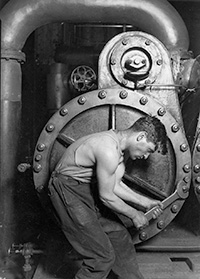
Black and white photo of a man in front of a large metal furnace holding a very large wrench performing heating repair in Ocean County historicallyIntroduction of Furnaces Changed Heating Repair in Ocean County

In the late 1800s to early 1900s, the industrial revolution brought about innovations in technology. These advancements included heating technology and its repair. The introduction of coal and oil furnaces marked the beginning of a new era. Ocean County saw its first furnace repair shops sprouting up, ensuring residents stayed warm. With their help, homes remained warm without the hazards of a traditional fireplace.

The War Influence

World War II affected every industry in the 40’s, including heating repair. Due to metal shortages, many homeowners in Ocean County had to postpone upgrading or repairing their heating systems. Local technicians became experts in patching up older systems, making the most of limited resources.

The Advent of Modern Heating and It’s Repair

In the 1960s and 1970s, with advancements in technology, central heating systems gained popularity. Ocean County homes began moving away from traditional furnaces, adopting electric and gas heating systems. This period saw a surge in local technicians getting trained in modern heating repair methodologies.

A Turn Towards Efficiency

The oil embargo of the 1970s highlighted the need for energy-efficient heating solutions. Ocean County repair services had to quickly adapt, learning to maintain and repair new energy-efficient models that homeowners were quickly adopting. This is why continues education and training is so important for technicians that perform heating repair in Ocean County.

The Growth of HVAC

The evolution of heating repair in Ocean County wouldn’t be complete without mentioning HVAC (Heating, Ventilation, and Air Conditioning). This start of this shift began in the 1980’s and is continuing to progress today. The integration of heating and cooling systems required technicians to diversify their skill set. Ocean County soon boasted some of the most qualified HVAC professionals in the state. If you need the assistance of the best HVAC technicians, contact Toms River Heating and Air Conditioning.

Heating Repair in Ocean County Continues to Develop

The evolution of heating repair in Ocean County is a captivating tapestry woven with threads of innovation, resilience, and adaptability. From the simple, rustic charm of ancient fireplaces to the cutting-edge, energy-efficient systems of today, this journey mirrors the broader progression of technology and societal values. Heating repair in Ocean County is about keeping homes warm. However, it’s also a testament to how communities in Ocean County have consistently risen to challenges. Furthermore, this history sees residents embracing change and seeking continuous improvement. As residents bask in the comfort of their homes, they are enjoying the fruits of modern technology. In addition, they embrace the legacy of a region that has consistently prioritized the well-being and comfort of its people. So, this long-standing tradition of heating repair expertise stands as a beacon, highlighting Ocean County’s commitment to progress and its resolute dedication to serving its community.

HVAC Repair in Spring Lake & Other Coastal Towns

Posted on: July 31st, 2023 by admin

While the general principles of HVAC system care apply to most locations, specific care considerations may vary slightly depending on the climate and environmental conditions of the area. Being located in a coastal region means there are a few additional factors to consider for HVAC maintenance. This month, we’ll discuss some top tips to avoid emergency HVAC repair in Spring Lake and towns like it that are located near large bodies of salt water.

Coastal Towns Need to Consider Their Environment

Spring Lake, being near the coast, can experience higher humidity levels making humidity control essential for all home appliances. Ensure that your HVAC system is equipped to handle humidity control effectively. Ask an experienced Spring Lake HVAC repair company like Toms River Heating and Air Conditioning if using a dehumidifier is appropriate for your home. Dehumidifiers can help to maintain indoor comfort and prevent excess moisture that can lead to mold and mildew growth. This humidity can also lead to accelerated corrosion. The salty air near the coast can lead to corrosion of all HVAC components, but particularly for outdoor units. Regularly inspect and clean the condenser coils, fins, and other components to prevent damage caused by salt exposure. Lastly, many coastal towns are susceptible to hurricanes and other extreme storms. Before hurricane season, secure your HVAC system, cover the outdoor unit, and be prepared for potential power outages.

Routine Maintenance Goes a Long Way to Prevent Emergency HVAC Repair in Spring Lake

Routine maintenance plays a crucial role in preventing HVAC emergencies by addressing potential issues before they escalate into major problems. During a routine maintenance call, a qualified HVAC technician will thoroughly inspect and test the various components of your HVAC system. This process allows them to identify any signs of wear, damage, or malfunctions. Once inspected, cleaning the units is next. Regular cleaning and servicing of critical components such as filters, coils, condensers, and burners allows components to work more efficiently. This improves the system’s performance and reduces the strain on the equipment, which can help prevent unexpected failures. Considering the coastal climate’s unique challenges, scheduling regular HVAC inspections by a professional technician is even more critical. They can spot potential issues early on and provide maintenance specific to the coastal environment.

Other Considerations for HVAC Maintenance

Knowing that your HVAC system is regularly maintained and in good working condition provides peace of mind. You can rely on it to function correctly when you need it the most, especially during extreme weather conditions. Consider these other HVAC maintenance tips to ensure undisrupted HVAC service.

  • It’s crucial to stay on top of air filter replacements. With higher pollen levels and potential allergens in the coastal environment, air filters need to work harder than in other areas. Check and change air filters more frequently during the spring and summer months to maintain good indoor air quality.
  • Ensure that your outdoor unit (condenser) is clear of any debris, vegetation, or obstacles that might restrict airflow. This is especially important in coastal areas like Spring Lake and Toms River to prevent debris buildup caused by winds.
  • Utilizing a programmable thermostat allows you to adjust your HVAC system’s settings based on varying weather conditions, helping to optimize energy usage and comfort. Contact us regarding smart thermostat installation in Toms River and surrounding areas. 

Overall, routine maintenance helps identify and address potential issues proactively, significantly reducing the likelihood of unexpected HVAC emergencies and providing you with a more comfortable and reliable indoor environment. To ensure the best care for your HVAC system in Spring Lake, NJ, consider consulting with a local HVAC company that has experience with the specific challenges of your area’s climate. We can provide tailored maintenance and recommendations to keep your HVAC system running efficiently and reliably throughout the year.Aerial view of Spring Lake for this article that discusses how to avoid HVAC repair in Spring Lake and other coastal towns

2nd Opportunity to Help with George to the Rescue

Posted on: November 2nd, 2020 by admin

We recently were honored to have the opportunity to help out a member of our community by taking part in our second project with the TV show George to the Rescue.  

17-year-old Sam suffered a life-changing injury while lifeguarding during the summer of 2019.  After a few months in the hospital, he was released and ready to go home.  However, there was a problem.  His family’s home was built in the 1880’s and was not wheelchair accessible.  Sam has unable to live at home for over a year.
 
George to the Rescue helped remedy this with a few home improvements, the biggest of which was an elevator.  For our part, we were able to work with their existing furnace, but improved it by installing a new Lennox SL18XC036 Air and Harmony III Zone system.  This will allow the family to easily and accurately control the temperature of all the areas of their home. We are so pleased to have been able to be a part of this amazing story.
 
Visit NBC.com to check out the episode and watch Sam come home 

To learn more about the first time we were able to help a member of the community, click here!

12 Things You Didn’t Know About Ocean County and Toms River

Posted on: December 14th, 2018 by admin

We live and work in an interesting area. That’s not news to anyone who lives here, of course. There’s a reason why the shore population explodes during the summer months. The Toms River region, and the Jersey Shore as a whole, is a fantastic place to be. That’s why we set our business roots down here all the way back in 1970.

Over the years, we’ve come to love the history of our community just as much as we love the people, places, sights, and sounds of it.

With that in mind, this month we’ve gathered a dozen quirky and cool facts from throughout the history of Toms River and Ocean County, some old, and some recent. We think you’ll find them interesting. We sure did!

  1. The true “Tom” of “Toms River” is unclear, but it’s widely believed to have been named after Thomas Luker, a ferryman who used to run a ferry that crossed the Toms River, which at the time was called Goose Creek. English Captain William Tom and a Native American man called Tom have both been possible origins of the name, too.
  2. A long, long time ago, Toms River was part of Shrewsbury Township. So long ago, in fact, it pre-dates the United States. Way back in 1767, before the U.S. was the U.S., a royal charter was acquired allowing a portion of Shrewsbury to secede and become Dover Township.
  3. The town continued to be known as Dover until 2006. Up until then, “Toms River” was an unofficial name sometimes used to describe the downtown area.
  4. A lot of surrounding towns would look a lot different if it wasn’t for Toms River, because portions of the town have been snipped off and became part of other communities. Towns like Jackson, Manchester, Barnegat, Berkeley and others were all created in part by tracts of land that used to be part of Toms River.
  5. The same holds true for Ocean County as a whole. The county used to be part of Monmouth County. It was finally split off into its own county in 1850.
  6. A little bit of Burlington County was also snipped off to form Ocean County, specifically Little Egg Harbor.
  7. When Ocean County separated from Monmouth County, a vote was held to decide what the county seat would be. The village of Toms River won, but another village was close in the running and almost won: Lakehurst. Imagine how different Ocean County would be if Lakehurst was the county seat!
  8. The Village of Toms River tried to secede from Dover Township two times in the early 1900s. Both efforts failed.
  9. The largest town in Ocean County is by far Jackson, which is just over 100 square miles in size.
  10. As of 2000, Ocean County was home to the wealthiest community in New Jersey: Mantoloking, which had a per capita income of over $114,000 as of 1999. (Second place is Saddle River in Bergen County, with an $85,000 income per capita.)
  11. Six Flags Great Adventure is probably bigger than you realize. As of 2012, after the amusement park was officially combined with the safari, it became the second largest theme park in the world, second only to Disney’s Animal Kingdom.
  12. The Garden State Parkway is now an essential part of life here, but the Parkway wasn’t always around. It didn’t connect the shore with North Jersey until the 1950s. Prior to that, people often had to make that the long trek on Route 9.

We could go on, but perhaps we’ll save some more tidbits for a future article. In the meantime, we hope you enjoyed. If you know some cool trivia and facts about our area, tell us about them in the Facebook comments!